
The problem
The problem is not intelligence. It is attachment.
Many systems present knowledge as isolated facts, rules, symbols, and procedures. But many people remember through relationships: what an idea connects to, where it happened, who it involved, how it felt, why it mattered, and what changed because of it.
The learning gap
The issue is not curiosity. It is contact.
Many people can reason, connect, and create when an idea is attached to something they have experienced. But standard instruction, documentation, training, and explanation often begin with compressed symbolic systems: definitions, formulas, procedures, diagrams, rules, and lists.
For relational thinkers, that order can make knowledge feel arbitrary. They may remember fragments briefly without building a sensory, emotional, social, creative, personal, or conceptual anchor.
What it looks like
A person can repeat the words and still lose the idea.
This shows up as fragile knowledge: the learner can solve the familiar version, recite the definition, or follow the checklist, then stalls when the context changes.
It also shows up emotionally. If a subject or system feels like disconnected commands, people may decide they are not math people, science people, language people, technical people, or capable learners before they have ever felt the idea take shape.
Brittle recall
The answer works in the familiar setting, then disappears when the situation changes.
Low ownership
The learner can repeat the language without being able to build, explain, adapt, or transfer it.
What changes
Anchors give explanation a place to land.
Etuosity does not remove rigor, practice, vocabulary, or formal knowledge. It changes the order.
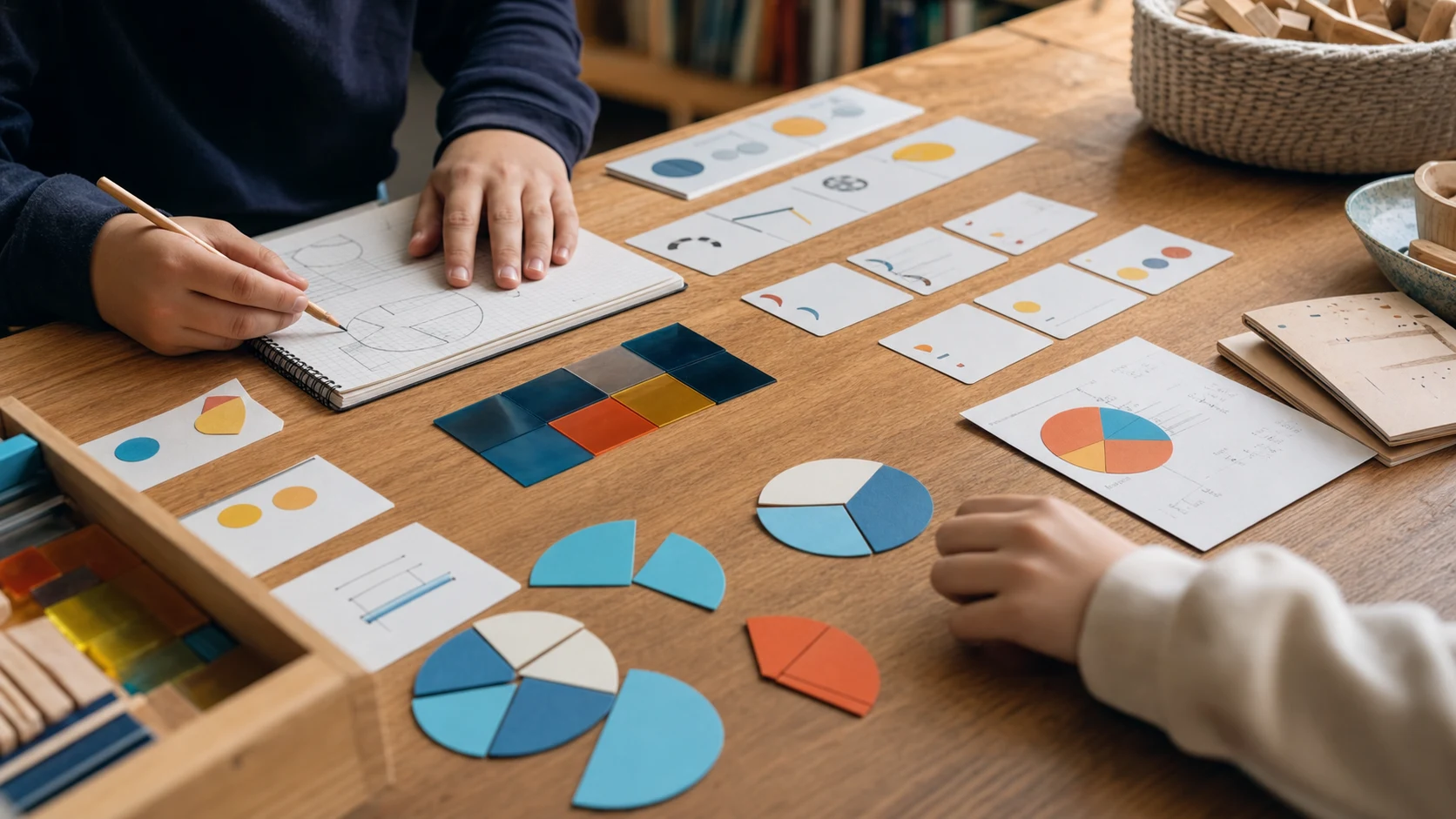
The learner first meets the idea through a relationship, rhythm, movement, story, image, role, object, emotional moment, problem, or created artifact. Once the idea has a lived structure, formal language can deepen understanding instead of standing in for it.
What Etuosity is doing now
Open materials need real learning problems.
Etuosity is in limited-access development. The site is asking collaborators to help improve the materials and evidence behind a better learning-design approach.
Etuosity is collecting examples where a subject, skill, system, or concept was hard to remember or use because learners had nothing to attach it to. Those cases shape future public materials, pilot designs, and tool concepts.
Review examples
Inspect whether an anchor actually helps a learner explain, remember, and transfer the idea.
Share a case
Bring a real learning problem so the future materials are grounded in useful needs.
A better doorway creates better design questions.
Can the learner explain the idea?
Can they describe what the idea means, not just solve the familiar version?
Can the learner retrieve the relationship?
Can they find the anchor and explain what the idea connects to?
Can the learner transfer it?
Can they recognize the same structure somewhere else?
Next step
Help test the better doorway.
If you have seen a subject, skill, system, or concept become hard to remember because learners had nothing to attach it to, share the case. Etuosity is collecting real learning problems to shape future public materials.
Share a learning problem